


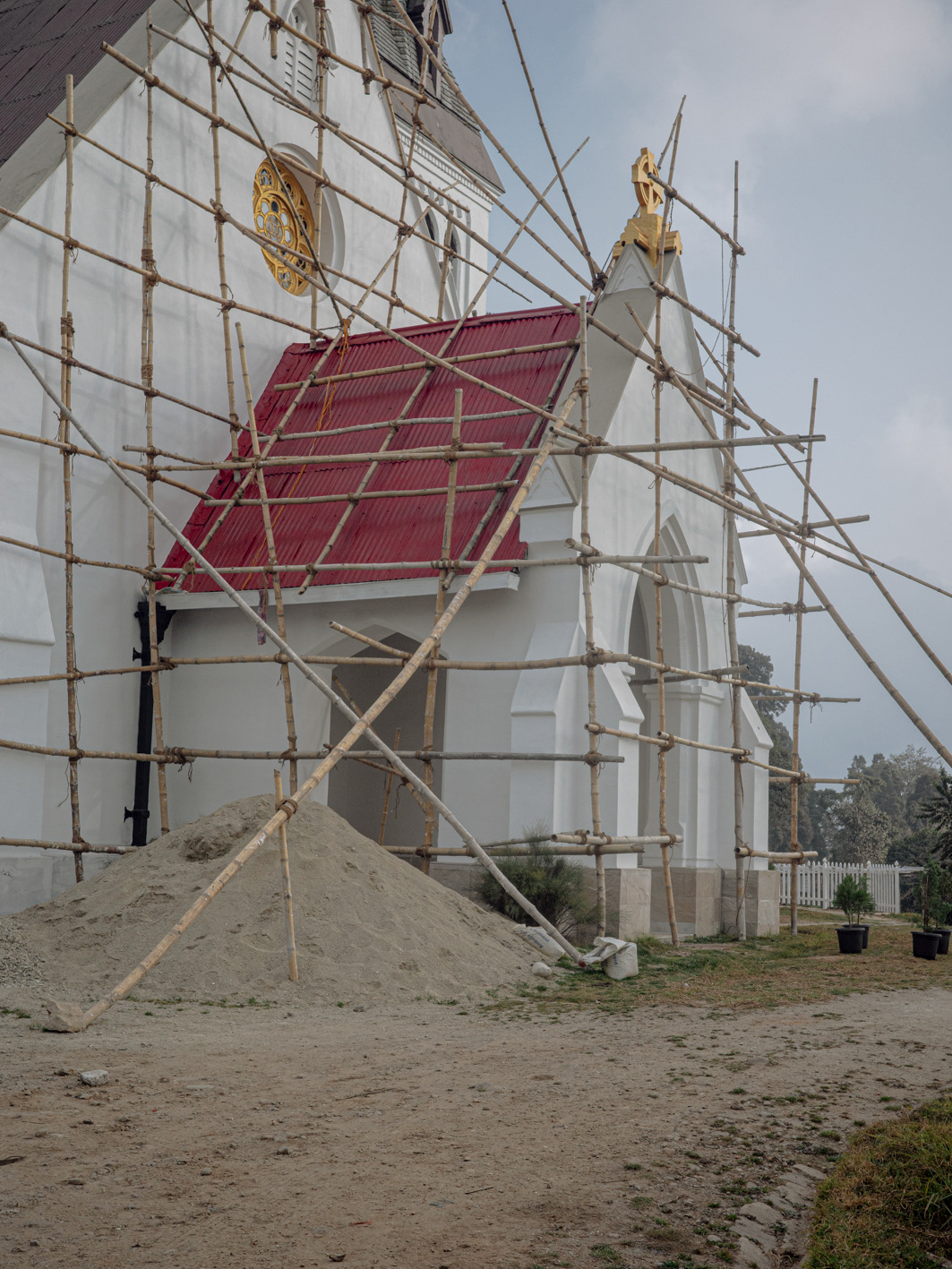
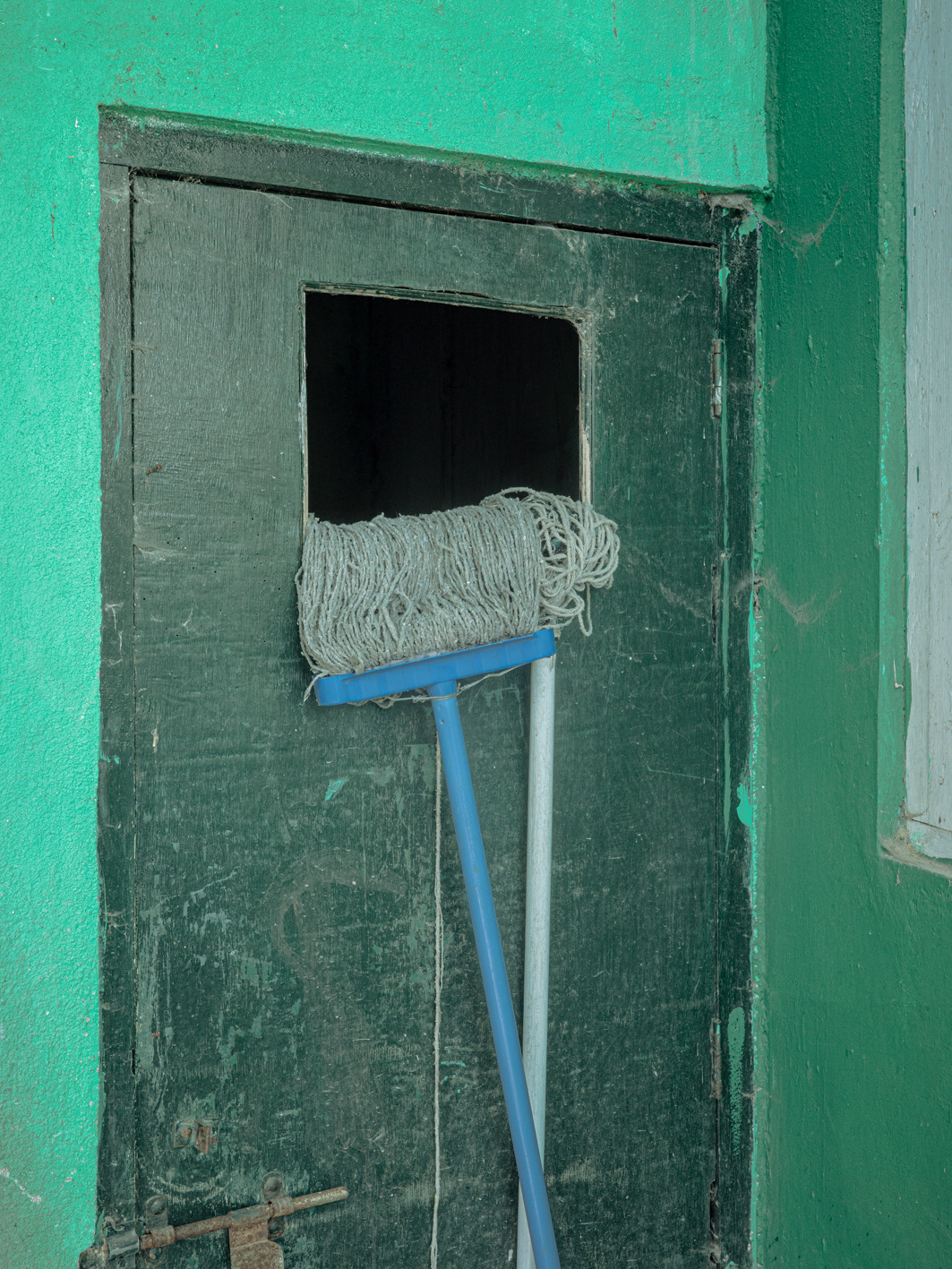
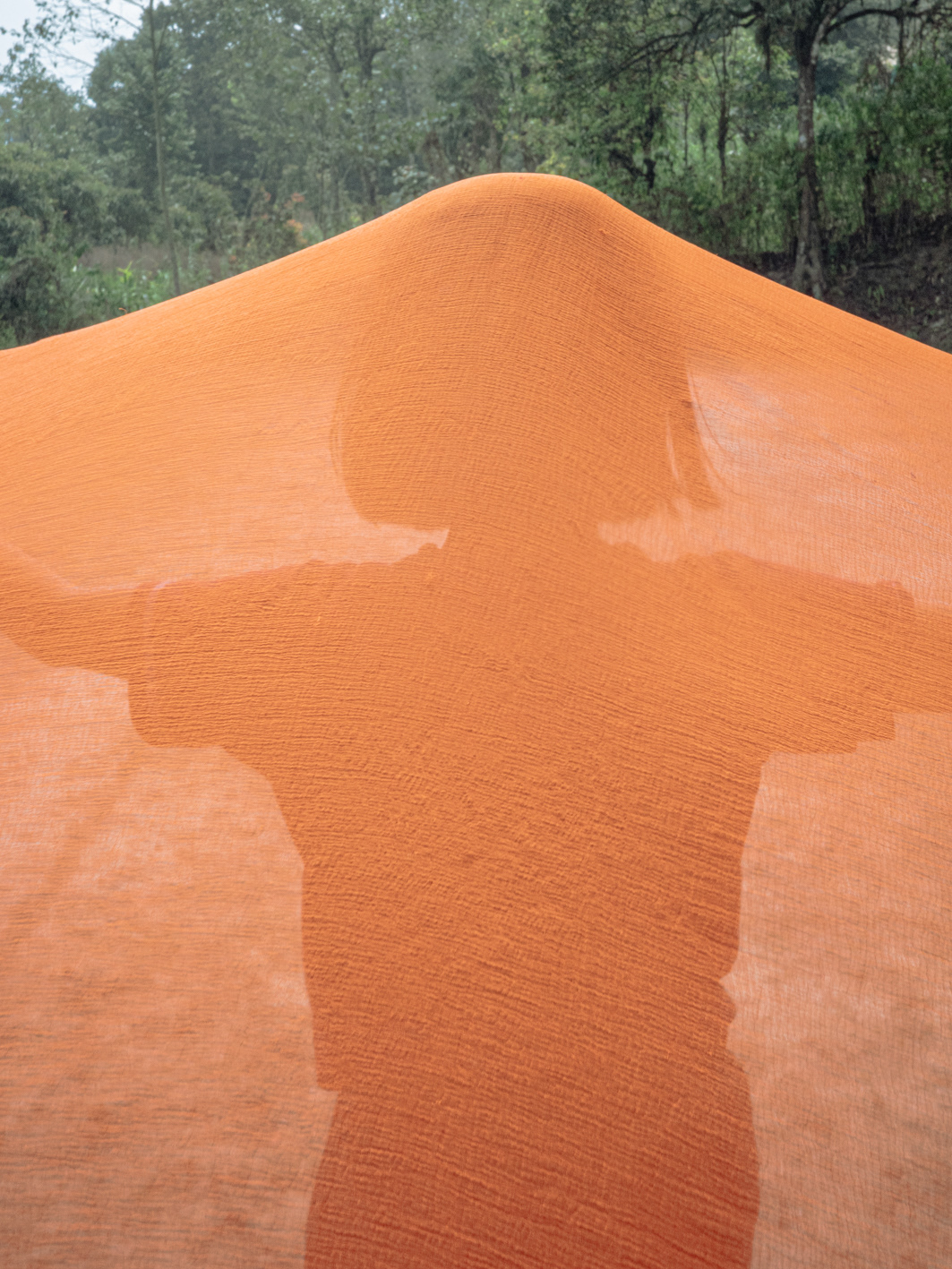



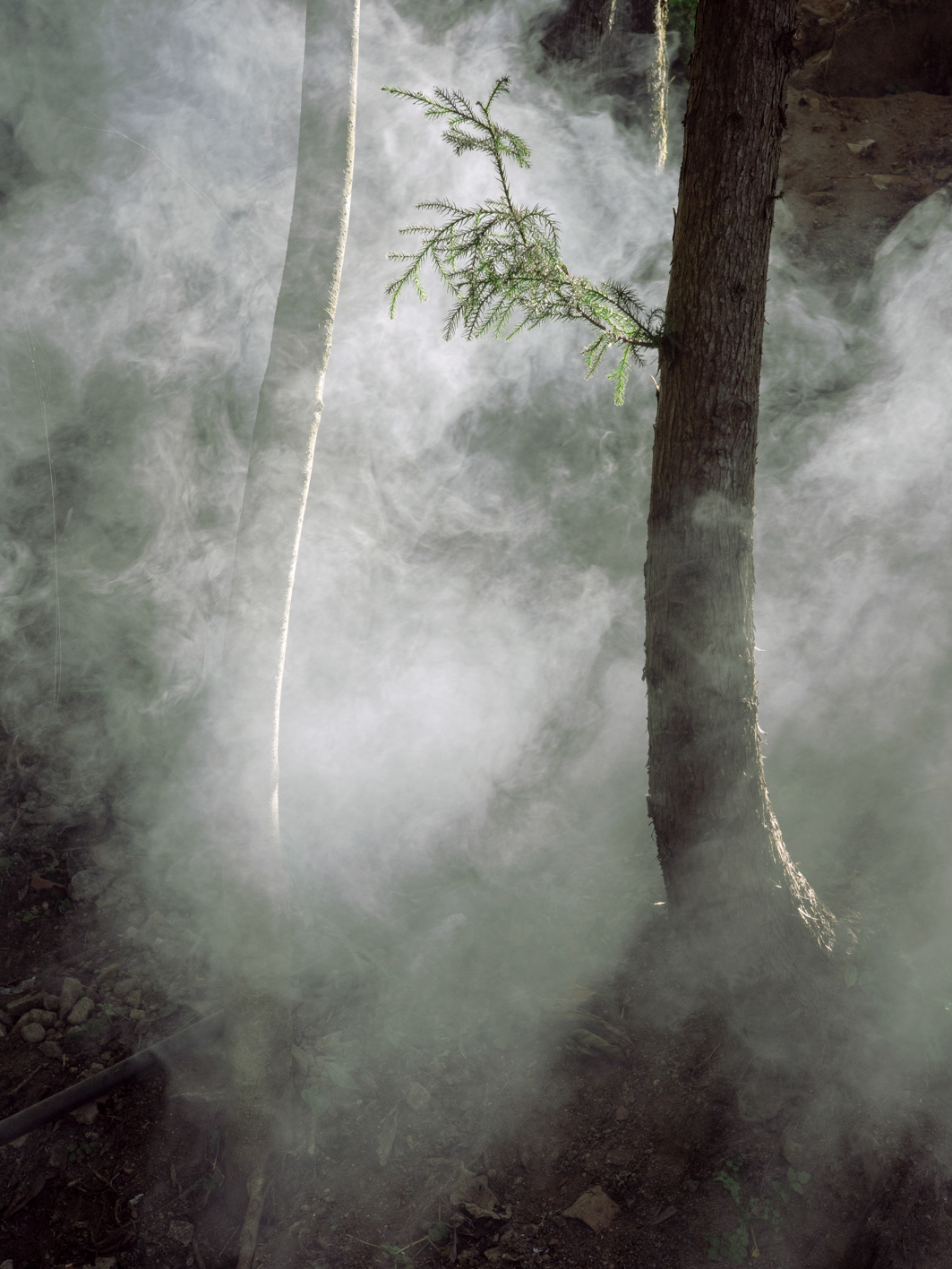
Seit Tagen regnet es nun schon in Darjeeling, ein Regen, der die Zeit selbst durchdringt. Ein Regen, der Dächer in Schlaginstrumente und Gedanken in langsam ziehenden Nebel verwandelt. Die Menschen murren, vor allem die Jungen, nicht weil sie den Regen verabscheuen, sondern weil er nur eine weitere Metapher für die Bürde ist, die sie ohnehin schon tragen. Eine Generation, geprägt von Krisen und von Altlasten – emotionalen, ökologischen, politischen. Selbst ihre Worte miteinander klingen oft wie Echos in einem Brunnen, tief, aber hohl. Trotzdem sprechen sie. Sie schreiben. Sie malen. Sie tanzen. Denn das ist es, was Darjeeling schon immer war: eine Stadt, die still vor unausgesprochener Kreativität pulsiert.
Die Alten sprechen von Dankbarkeit; steigenden Pegelstände, die Hügel werden versorgt. Sie sprechen von Zyklen, von Gleichgewicht. Aber Darjeeling war nie ganz im Einklang. Noch immer erschüttert von seiner kolonialen Geschichte, noch immer Slogans für einen eigenen Staat flüsternd, noch immer die Narben einer halb geschriebenen Zukunft tragend. Und doch gedeiht hier die Hoffnung. Nicht in großen Bewegungen, sondern in Wohnzimmern, die zu Ateliers werden, in Cafés, die als Poetry Slams dienen, in Klassenzimmern, in denen Widerstand in Reimen entsteht. Die Jugend hier wartet nicht darauf, dass die Welt aufholt. Sie baut sich im Regen etwas Eigenes auf. Etwas, das summt.
– Prashanti Menyangbo Subba
It’s been raining in Darjeeling for days now, the kind that soaks through K time itself. The kind that turns rooftops into percussion instruments and thoughts into slow moving fog. People grumble, mostly the young,
not because they hate the rain, but because it‘s just another metaphor for the weight they already carry. A generation shaped by crisis, by inherited debt; emotional, environmental, political. Even their words to one another often sound like echoes in a well, deep but hollow. Still, they speak. They write. They paint. They dance. Because that’s what Darjeeling has always been: a town quietly pulsing with unspoken creativity.
not because they hate the rain, but because it‘s just another metaphor for the weight they already carry. A generation shaped by crisis, by inherited debt; emotional, environmental, political. Even their words to one another often sound like echoes in a well, deep but hollow. Still, they speak. They write. They paint. They dance. Because that’s what Darjeeling has always been: a town quietly pulsing with unspoken creativity.
The old speak of gratitude; water levels rising, the hills being fed.
They speak of cycles, of balance. But Darjeeling has never been fully balanced. Still reeling from its colonial spine, still whispering slogans
of a statehood, still carrying the scars of half-written futures. Yet, it is here that hope thrives. Not in grand movements but in living rooms turned studios, cafés that double as poetry slams, classrooms that birth resistance in rhyme. The youth here don’t wait for the world to catch up. They build something of their own in the rain. Something that hums.
They speak of cycles, of balance. But Darjeeling has never been fully balanced. Still reeling from its colonial spine, still whispering slogans
of a statehood, still carrying the scars of half-written futures. Yet, it is here that hope thrives. Not in grand movements but in living rooms turned studios, cafés that double as poetry slams, classrooms that birth resistance in rhyme. The youth here don’t wait for the world to catch up. They build something of their own in the rain. Something that hums.
– Prashanti Menyangbo Subba